


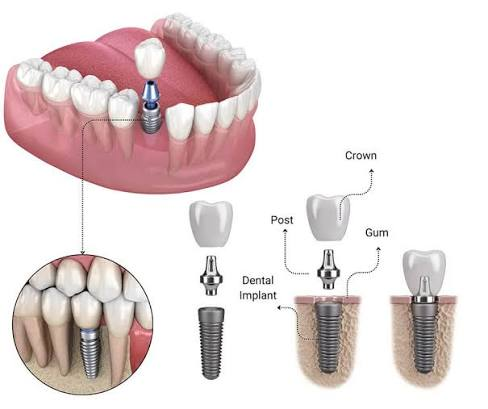
Losing a tooth can make it hard to eat your favorite foods. It can also change how your smile looks. Many people look into dental implants to fix this problem. A dental implant acts like a strong artificial tooth root. Dentists place it safely right into your jawbone. Over time, it fuses tightly with the bone to give you a very secure base. Understanding the dental implants cost helps you plan your money wisely before visiting the clinic. Unlike old-fashioned dentures that can slip around, implants stay put forever. They look, feel, and act just like your real teeth. Many patients feel much more confident when they finally replace a missing gap. Knowing what to expect keeps you calm and ready for your very first dental appointment.
Why Is the Total Dental Implants Cost Different for Everyone?
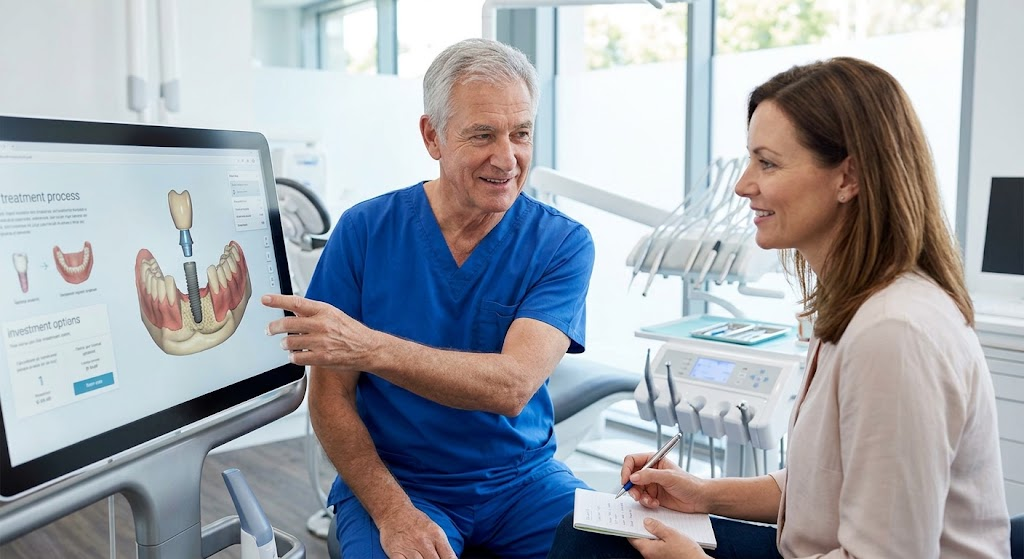
Every single mouth is completely unique and different. Because of this, the total dental implants cost varies from person to person. Your friend might pay a totally different price than you do. Some people only need a single tooth fixed. Other people might need multiple teeth replaced across their upper or lower jaw. The overall price tag depends heavily on your specific dental health needs. If your gums and jawbone are already very healthy, your treatment might be straightforward. However, if you need extra care before the surgery, the price will go up. Dentists must check your mouth carefully with special digital scans first. This helps them create a custom treatment plan that fits your exact lifestyle and budget goals.
Breaking Down the Main Parts of the Procedure Price
When you look at the total dental implants cost, it helps to see what parts make up that final number. A complete implant is not just one single piece. It has three main parts that work together to replace your tooth. First, you have the tiny metal post that goes inside the bone. Second, you have a small connector piece called an abutment. Third, you have the visible white crown that looks like a real tooth. Each of these individual components has its own separate manufacturing price. Clinics usually combine these fees into one total estimate for you. Asking your dentist for a written itemized list ensures you understand every single dollar you are spending.
How the Choice of Implant Brands Affects Your Expenses
The specific brand of the metal post plays a huge role in the final dental implants cost. Some dental brands are famous worldwide because they have decades of successful scientific research. These premium international brands usually cost more money upfront. However, they often come with great track records for long-term safety. Other newer or local brands might be much cheaper on your wallet. While saving money right now sounds great, cheaper brands might not last as long. Your dentist will help you choose a trusted brand that balances good quality with reasonable pricing. Investing in a strong, high-tier brand often means fewer repair headaches down the road.
The Role of Bone Grafting in Your Overall Budget
Sometimes a jawbone is not thick or strong enough to hold a metal post securely. If you lost a tooth a long time ago, the bone may have shrunk away. In this case, your dentist might suggest a safe procedure called bone grafting. This adds extra bone material to make your jaw strong again. Naturally, adding a bone graft will increase your total dental implants cost. It also adds an extra healing period before the actual implant surgery can happen. While waiting longer can feel a bit frustrating, it is a crucial step. A solid foundation ensures your new tooth stays firmly in place for many decades.
Why Dentist Expertise and Clinic Location Matter
Where you go for your surgery changes how much you will pay. Big cities often have higher clinic fees than small towns. Furthermore, highly experienced surgeons who specialize in mouth operations charge more for their expert time. Trying to cut corners by visiting an uncertified bargain clinic can backfire badly. Experienced implantologists understand how to avoid risky nerves and blood vessels. Paying a bit more for a skilled expert protects you from painful complications later. Always check your dentist’s professional background before booking any major surgical procedures. Your health and safety are always worth investing in quality care.
Comparing Teeth Replacement Options and Long-Term Value
| Option Type | Estimated Price Range | Lifespan | Keeps Bone Healthy? |
| Dental Implant | High | Lifetime | Yes |
| Dental Bridge | Medium | 10 to 15 Years | No |
| Partial Denture | Low | 5 to 8 Years | No |
When looking at the dental implants cost, it helps to compare them with other choices like bridges or dentures. Traditional bridges and dentures cost less money today. However, they wear out and need frequent replacements every few years. Dental implants are designed to last for your entire lifetime with good brushing habits. When you calculate the replacement costs of bridges over thirty years, implants often become the smarter financial choice. They also stop bone loss, keeping your face looking youthful and natural.
Simple Ways to Manage and Plan for Your Dental Expenses
Dental procedures can sometimes feel overwhelming for a standard family budget. Fortunately, many modern clinics offer helpful payment plans to split up the bills. Instead of paying the full dental implants cost all at once, you can pay in smaller monthly chunks. Some offices even provide zero-interest financing options for qualifying patients. Talking openly with your dental office staff is the best way to discover available financial assistance. Planning your savings early lets you get the healthy smile you deserve without stressing over sudden money troubles.
Quick Patient Biography and Clinical Profile
| Detail Category | Patient & Professional Overview |
| Typical Patient Profile | Adults aged 25 to 75 missing one or more teeth due to decay or injury. |
| Primary Goal | Restoring normal chewing power and achieving a natural-looking smile. |
| Specialist Surgeon | Certified Implantologist or Oral Maxillofacial Surgeon. |
| Average Procedure Duration | 1 to 2 hours per surgical placement visit. |
| Total Recovery Timeline | 3 to 6 months for complete bone healing and integration. |
Conclusion and Your Next Steps to a Great Smile
Taking care of your teeth is one of the best investments you can make for your body. While the dental implants cost might seem high at first glance, the lifelong benefits make it completely worth it. You will be able to eat, laugh, and smile with total comfort and zero worry. Do not let missing teeth hold you back from enjoying your daily life. Schedule a consultation with a certified dental expert today to discuss your personal options. What questions do you have about getting your first dental implant consultation booked?
Frequently Asked Questions
1. Are dental implants painful to get?
The surgery is performed using local numbing medicine so you will not feel pain during the process. Afterward, you might feel mild soreness for a few days, which is totally normal and easy to manage with standard medicine.
2. How long do dental implants usually last?
With great daily brushing, flossing, and regular dental checkups, dental implants are built to last for your entire lifetime.
3. Why are dental implants more expensive than dentures?
Implants require minor surgery, high-grade titanium materials, and custom-made crowns. They replace the actual root of the tooth, offering permanent stability that dentures cannot match.
4. Will I need surgery for bone grafting?
Not everyone needs a bone graft. Your dentist will take a special 3D scan of your jaw during your first visit to see if your bone is thick enough.
5. Can insurance help pay for dental implants?
Most basic dental insurance plans view implants as cosmetic, but some plans may cover a portion of the crown or extractions. Always check directly with your insurance provider to understand your exact policy coverage.
6. What happens if I wait too long to replace a missing tooth?
Waiting too long can cause your jawbone to shrink and nearby teeth to drift out of place. Fixing the gap early helps prevent more complicated and expensive dental work later on.
Leave a Reply